
It’s 4:17 on a Friday afternoon.
An employee receives an email that appears to come from the company owner: “Can you send me the updated banking information before you leave?”
The sender’s name looks familiar. The message sounds like something the owner would say. With the workweek winding down and everyone eager to head home, responding quickly seems like the easiest option.
But there’s a catch: The owner never sent the email.
Your IT team may have strong security measures in place, but even the best technology can’t prevent every suspicious email from reaching an inbox or stop every employee from making a split-second decision. Sometimes, protecting your business comes down to whether someone recognizes a red flag and knows what to do next.
The Misconception That Puts Businesses at Risk
Many business owners think of cybersecurity as something that happens behind the scenes. IT manages the software, installs security updates, monitors systems and maintains protective tools. With those measures in place, it’s easy to assume everything is taken care of.
But cybersecurity doesn’t stop at your network or your devices. It’s also shaped by the everyday decisions your employees make.
Every time someone opens an email, clicks a link, approves a payment or shares sensitive information, your business’s security is being put to the test. These moments happen across every department, often without much thought.
The stronger your security culture, the better prepared your team will be to recognize suspicious activity and respond appropriately.
Technology Can’t Make Every Decision
Security tools are essential. They can identify threats, filter malicious messages and block many attacks before employees ever encounter them. However, no solution can eliminate every risk or replace sound judgment.
Cybercriminals have become increasingly skilled at making fraudulent messages look legitimate. They imitate familiar writing styles, reference trusted vendors and create messages that blend into everyday business conversations.
Consider a few common scenarios:
- A message from someone claiming to be the CEO requests urgent payment.
- A trusted vendor emails new banking details in the middle of a project.
- An employee receives an unexpected request to access or share a sensitive document.
Each situation can appear routine at first glance. Yet one rushed decision could expose confidential information, redirect funds or give an attacker access to business systems.
That’s why employees need more than security software. They need to understand when to pause, how to verify unusual requests and where to turn when something doesn’t seem right.
“Be Careful” Isn’t a Cybersecurity Strategy
Telling employees to watch for suspicious emails is a good starting point, but it isn’t enough. When someone encounters a potential threat, they need clear instructions for what to do next.
Every employee should know:
- Who to contact: Make it clear who handles suspicious emails, unusual requests and potential security incidents.
- How to verify requests: Encourage employees to confirm unexpected instructions through a trusted, separate communication channel.
- What to avoid: Employees should never click suspicious links, open unexpected attachments or share sensitive information until a request has been verified.
- What to do after a mistake: If someone clicks a suspicious link, downloads an attachment or shares information, they should know how to report it immediately.
- How to report concerns: Provide a simple, well-defined process that makes reporting quick and straightforward.
Without these guidelines, employees are left to make high-stakes decisions without the support they need.
An employee who isn’t sure whether a message is genuinely suspicious may decide not to bother IT. Someone who worries about being blamed for making a mistake might delay reporting it. Others may assume that nothing serious happened and carry on with their day.
Unfortunately, delays can give attackers more time to access systems, compromise accounts or cause further damage.
A clear response process removes the guesswork and helps employees act quickly when it matters most.
Leadership Shapes Your Security Culture
A strong cybersecurity culture starts with leadership. Employees pay attention to what managers and business owners do, not just what they say.
If leaders skip verification procedures because they’re busy, employees may assume those steps are optional. If managers dismiss security concerns or make employees feel uncomfortable about speaking up, suspicious activity may go unreported. And if someone is publicly blamed for clicking a malicious link, others may be less willing to admit their own mistakes.
The reverse is equally true.
When leaders follow security procedures consistently, employees understand that those practices matter. When managers encourage questions and respond constructively to concerns, employees become more comfortable raising potential issues. And when mistakes are treated as opportunities to improve rather than reasons to assign blame, people are more likely to report incidents promptly.
Building this kind of culture doesn’t mean ignoring accountability. It means creating an environment where employees feel responsible for protecting the business and confident that reporting a concern is always the right decision.
Cybersecurity Is Stronger When Everyone Plays a Part
Let’s return to that employee at 4:17 on a Friday afternoon.
The goal isn’t to make employees suspicious of every message or afraid to do their jobs. It’s to equip them with the knowledge and confidence to recognize when something doesn’t add up.
They should know when to pause, how to verify an unusual request and who to contact before taking action. Most importantly, they should feel comfortable speaking up without worrying that they’re overreacting.
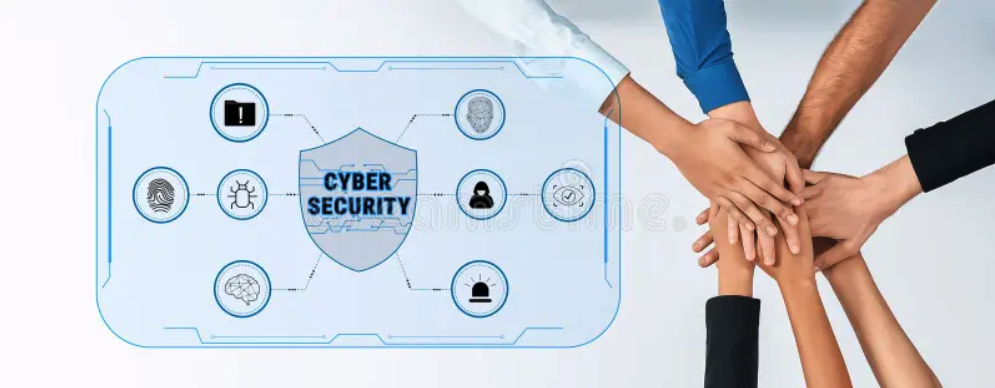
Your employees don’t need to become cybersecurity experts to help protect your business. They need practical guidance, consistent habits and a clear understanding of their role in keeping company information and systems secure.
Creating that environment takes more than an annual training session. It requires effective security tools, straightforward policies, ongoing employee education and regular reviews to keep pace with evolving threats.
The Right IT Partner Can Help You Close the Gaps
You don’t have to figure out every aspect of cybersecurity on your own.
The right IT partner can help identify weaknesses in your current approach, strengthen your technical defenses and establish practical processes that help employees recognize and report potential threats.
From improving security controls to providing ongoing guidance, the goal is to make cybersecurity easier to understand, easier to follow and more effective across your entire organization.
Cybersecurity is everyone’s responsibility, but you don’t have to manage it alone.
Schedule a 10-minute discovery call with our team to discuss your current cybersecurity approach, identify potential gaps and explore practical ways to strengthen your business’s protection.
Call us on 587-315-7507 or visit www.stepinnovations.ca to schedule your call today.